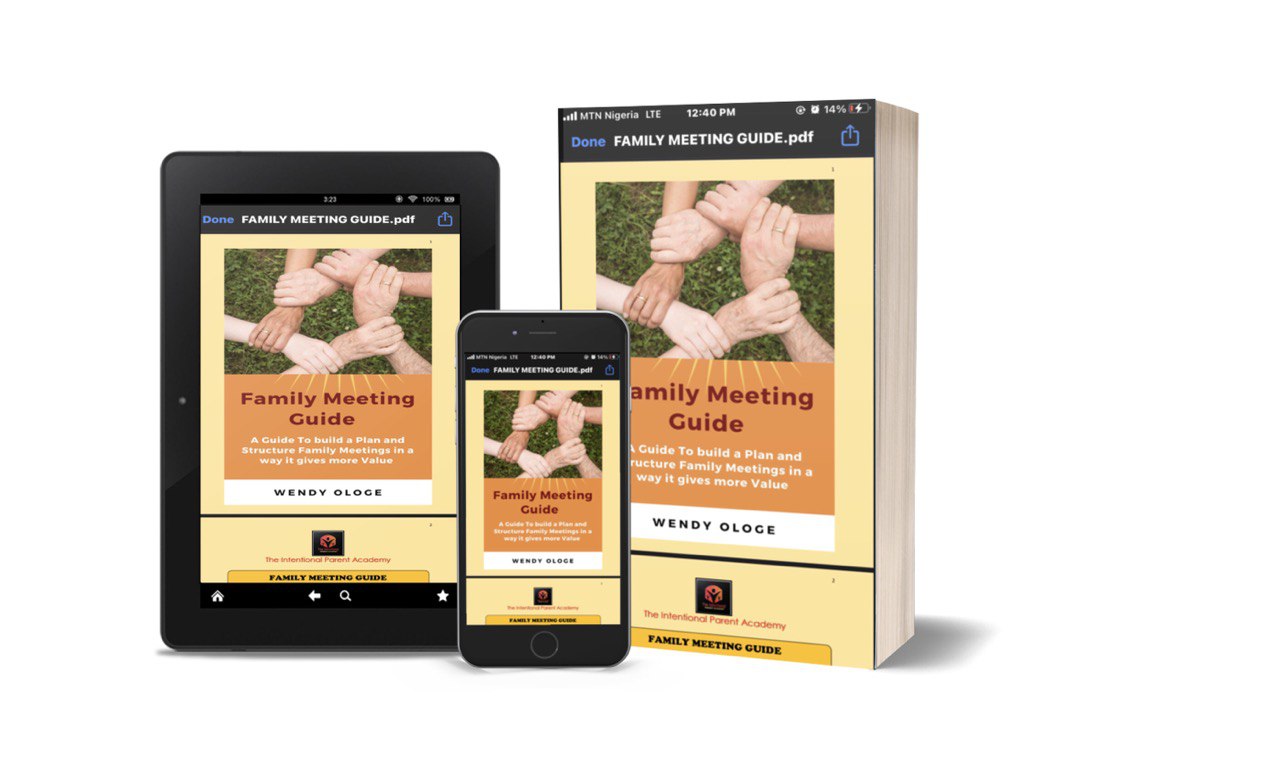
Family meetings are amazing opportunities for Parents and Children to discuss important issues, strengthen Communication, reinforce values and nurture positive relationship's. This guide will help you build a plan and structure your family meetings in a way that it gives more value and achieves the aim each time it holds.You will learn the benefits of family meetings and how to develop an effective agenda that incorporates fun, problem solving and family bonding. You will also be able to plan on how to explain the value and structure of meetings to your Children.
The "Family Meeting Guide" is a comprehensive manual designed to help families establish regular and productive meetings that enhance communication, strengthen relationships, and promote a sense of unity. Family meetings provide a structured opportunity for all members to express their thoughts, discuss important issues, and make decisions together.
This guide outlines the steps and best practices for conducting effective family meetings.
Key Components of the Guide:
Introduction to Family Meetings:
Purpose and Benefits
Frequency and Timing: Recommends the ideal frequency for meetings (e.g., weekly or bi-weekly) and the best times to hold them to ensure maximum participation.
Setting Up for Success:
Conducting the Meeting:
Roles and Responsibilities.
Opening the Meeting: Offers ideas for positive opening activities, like sharing good news or a gratitude round, to set a positive tone.
Effective Communication:
Problem-Solving and Decision-Making:
Identifying Issues: Guides families on how to identify and articulate issues that need addressing, from minor household tasks to larger family goals.
Collaborative Solutions: Encourages brainstorming and collaboration to find solutions that work for everyone, promoting a sense of teamwork and mutual respect.
Consensus Building: Introduces techniques for building consensus, ensuring that decisions reflect the input and agreement of all family members.
Assigning Responsibilities:
Task Allocation: Helps families assign tasks and responsibilities fairly, ensuring everyone contributes to the household.
Accountability: Suggests methods for tracking responsibilities and holding family members accountable, such as chore charts or follow-up discussions.
Reviewing and Reflecting:
Ending on a Positive Note:
The "Family Meeting Guide" provides families with the tools and strategies needed to hold regular, effective meetings that improve communication, resolve conflicts, and foster a sense of togetherness. By implementing the practices outlined in this guide, families can create a supportive environment where every member feels heard, valued, and involved in the family’s decision-making process. Regular family meetings can become a cornerstone of family life, promoting harmony and mutual respect.